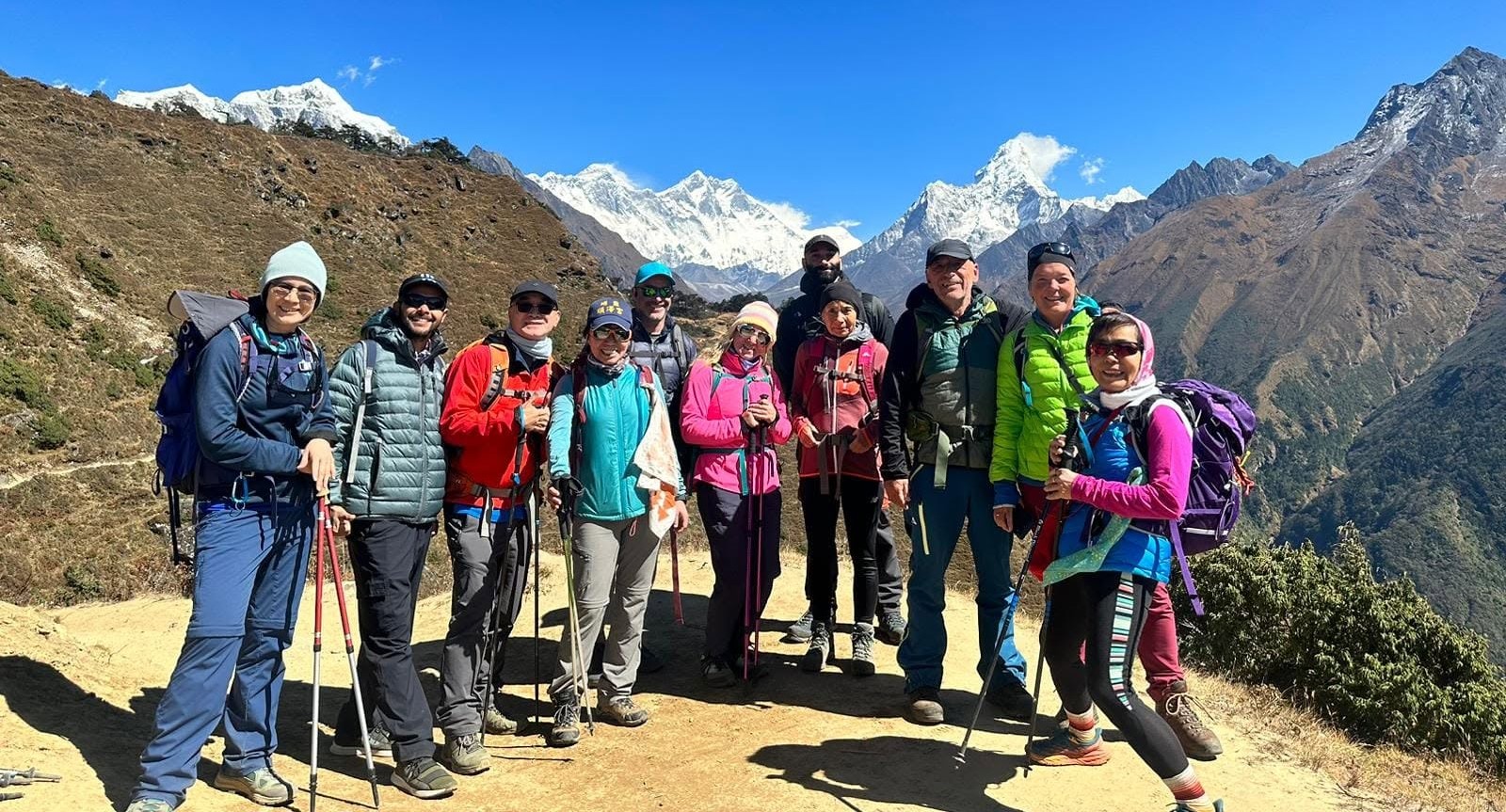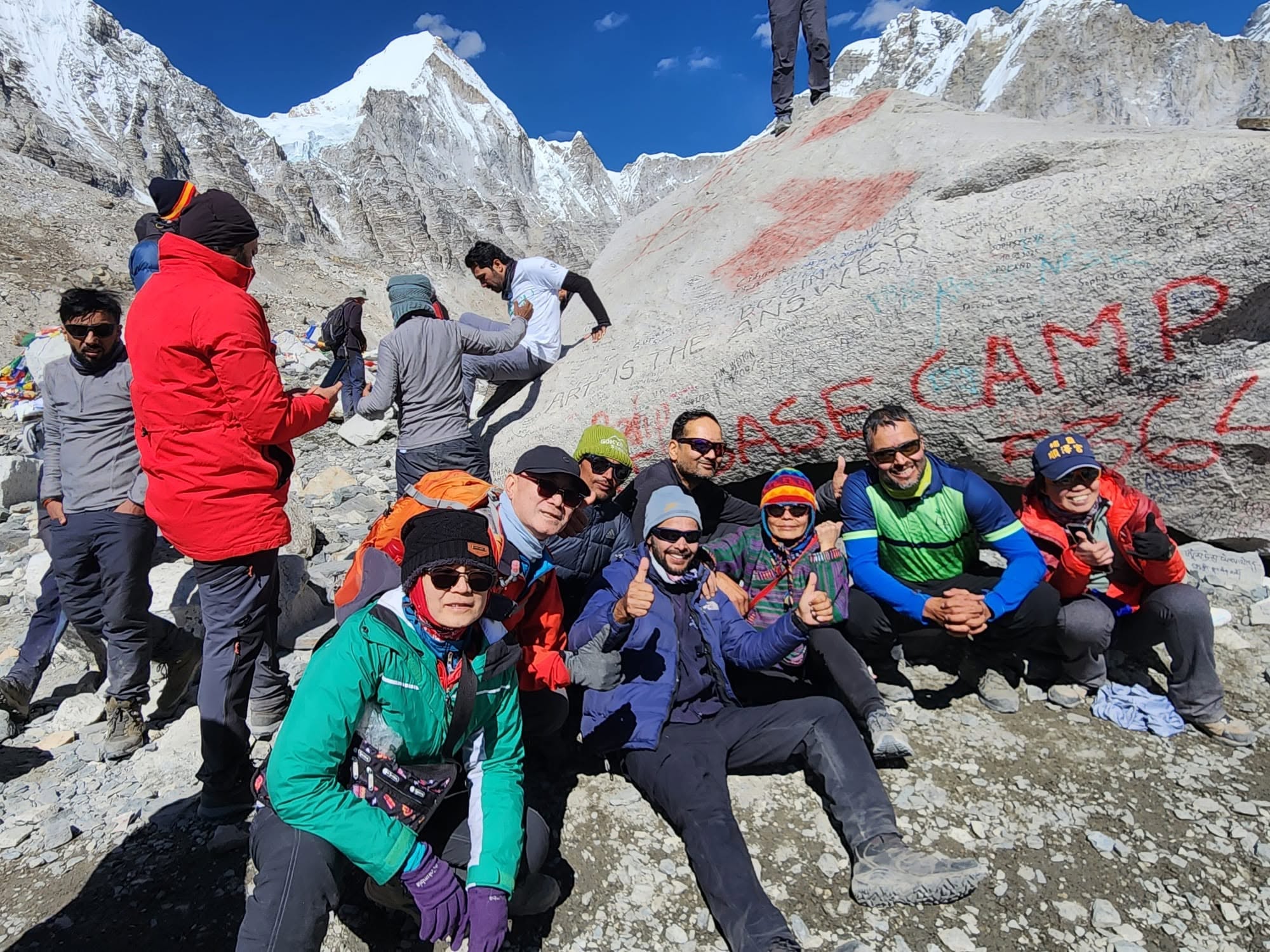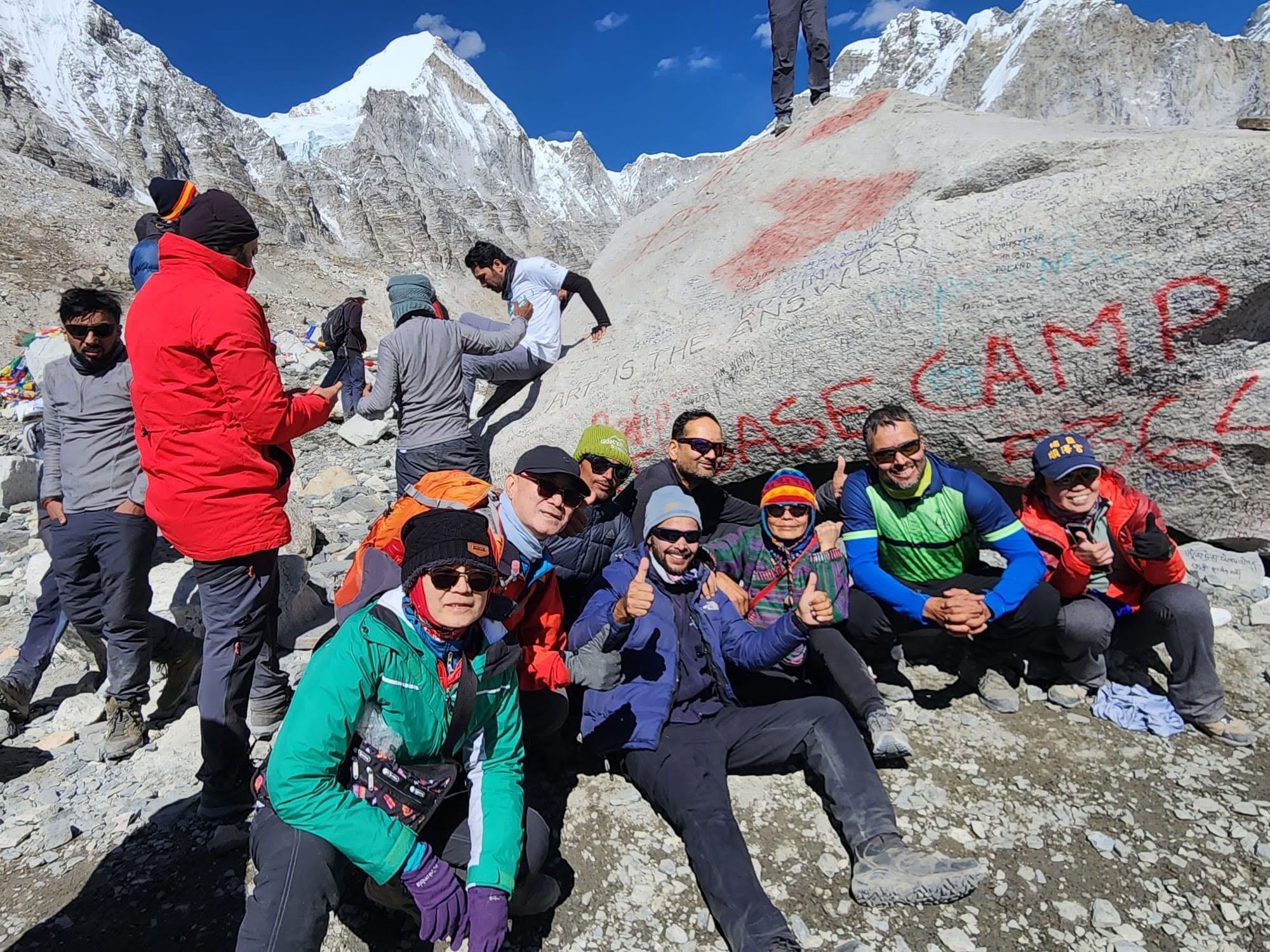

With the arrival of long vacations, public holidays or weekends, it has become a common sight to see social media flooded with pictures of mountains, lakes, hiking trails and villages. According to tourism professionals, this wave of domestic tourism is not just about the desire to travel but is also linked to social, economic and psychological changes.
Why is Nepali travel culture growing?
According to tourism experts, the expansion of the road network, access to domestic air services, the influence of social media, a growing middle class, and the tendency to seek new experiences are inspiring Nepalis to travel within the country.
Previously, traveling abroad was seen as a matter of prestige. Now, there seems to be a growing desire to explore new destinations within one’s own country and experience local culture.
The concept of “Explore Nepal” is becoming popular among the younger generation. The natural scenery, trekking videos, and travel experiences seen on social media are attracting the new generation to the mountains, hills, and villages.अन्नपूर्ण आधार शिविर (ABC),
Mental health journey
According to psychologists, the increasing stress of modern lifestyles, excessive use of digital devices, and urban busyness are drawing people towards nature.
Many Nepalis have started making travel and trekking a part of their lifestyle, as time spent in nature helps reduce mental stress, maintain emotional balance, and gain new energy.
According to tourism experts, people have become more attracted to the open environment, hiking, and connection with nature in the post-pandemic era.
Where are Nepalis going?
Currently, the most attractive destinations for Nepali tourists are Pokhara, Mustang, Manang, Rara, Ilam, Chitwan, Lumbini, Bandipur, Ghandruk, Kalinchowk, Khaptad, Langtang, Annapurna Base Camp (ABC), Mardi Himal, Panchpokhari, Gosainkunda, and the Everest region.
Similarly, Dordi Trek, Tamang Heritage Trail, Dudhkunda, Phoksundo, Bahrapokhari, Memepokhari, and other new rural tourism destinations have also gradually started attracting domestic tourists.
Positive impact on the local economy
The direct benefits of domestic tourism have reached local hotels, homestays, guesthouses, restaurants, transport entrepreneurs, agricultural products, and local handicrafts.
According to businessmen in Mustang, Manang, Bandipur, Pokhara, Ghandruk, Nagarkot, Ilam and various trekking areas, Nepali tourists have played an important role in running their businesses even during times when foreign tourists have decreased.
Gokul Sapkota, a tourism entrepreneur based in Kathmandu, says,
“A decade ago, domestic tourists were not seen by many as the mainstay of the tourism industry. But today, Nepali tourists have become the year-round base for many businesses. The influx of Nepali tourists during holidays and festivals has brought significant excitement to hotels, guesthouses, and local businesses.”
According to him, even when the number of foreign tourists has decreased, trekking by Nepali tourists in Nepal has helped keep the tourism sector alive.
“The benefits of tourism are not limited to hotels. It has a direct impact on local farmers, drivers, guides, shopkeepers, and handicraft entrepreneurs,” Sapkota said.
Tourism expert’s statement
According to tourism experts, the potential of domestic tourism in Nepal has not yet been fully utilized.
According to a tourism expert,
“There are still hundreds of destinations in Nepal that lack basic infrastructure, information, and promotion. If such areas can be developed systematically, the overcrowding in popular destinations can also be reduced.”
According to him, it is necessary to promote new trekking routes and village tourism along with established destinations like Annapurna, Everest, Langtang, and Mustang.
What do the statistics say?
According to the experience of the Nepal Tourism Board and tourism professionals, the number of domestic tourists has been steadily increasing in recent years.
Businessmen say that the occupancy rate of hotels and homestays in Pokhara, Mustang, Chitwan, Rara, and Langtang regions increases significantly during Dashain, Tihar, New Year, and long weekends.
According to tourism experts, many rural homestays and guesthouses are currently operating more with the help of Nepali tourists than foreign tourists.
With increasing pressure comes challenges
But with the growing popularity of domestic tourism, some challenges have also begun to emerge.
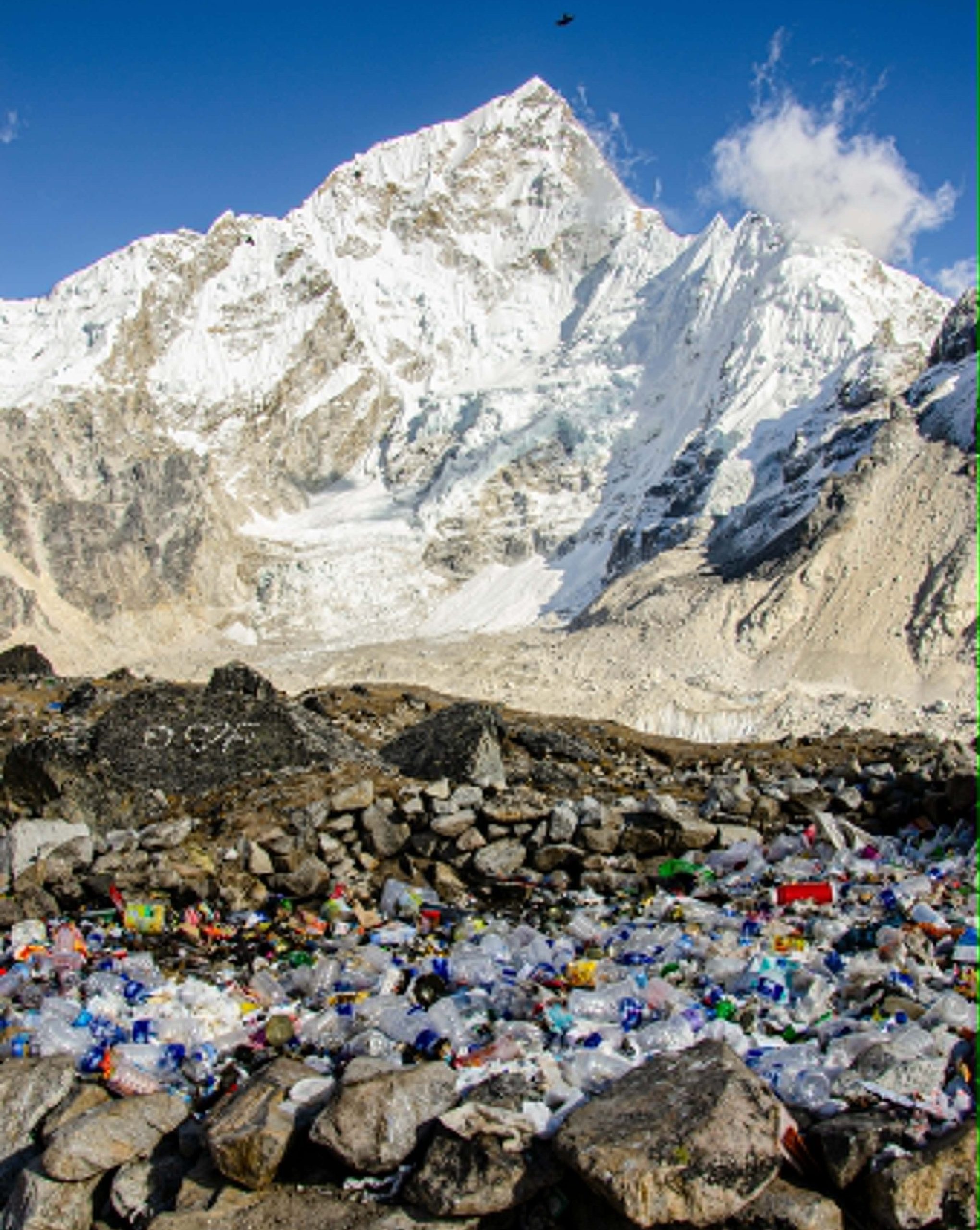
The problems of plastic waste, pressure on water resources, unorganized parking, and uncontrolled construction of structures are increasing in Mardi Himal, Kalinchowk, Gosainkunda, Panchpokhari, Phoksundo, and other popular destinations.
According to environmentalists, if not managed in a timely manner, the natural resources attracted by tourism could be at risk in the long term.