


LCBO strike: Tentative agreement in danger of collapse, union says ‘we do not have a deal’

A deal reached between the LCBO and the union representing its workers is in jeopardy just hours after the two sides announced a two-week-long strike would soon be coming to an end.
Early on Friday afternoon, both the Ontario Public Service Employees Union and the LCBO said they had reached an agreement to bring more than 9,000 workers back onto the front lines and reopen liquor stores across Ontario after a lengthy stalemate.
The Crown agency said if the deal is ratified by members, the strike would end at 12:01 a.m. on July 22 and stores would open the next day.
Later in the afternoon, however, the two sides suggested the tentative agreement — which would still need to be accepted by workers — was in danger of collapse.
Both sides went from celebrating the agreement after weeks of deadlock to accusing each other of acting in bad faith.
The union alleged that the LCBO had not signed a return-to-work protocol and without that, they could not agree to a deal.
“We were prepared to announce this deal,” OPSEU spokesperson Katie Arnup said at the start of what was supposed to be a press conference about the agreement.
“The premier said there was a deal. But the employer is now refusing to sign that protocol. Our return-to-work protocol is necessary for workers to go back to work in the event of a strike. Without that document signed we do not have a deal. The strike continues.”
In its own statement, the LCBO said the union had made fresh demands after agreeing to a deal and that it intends to “file an unfair labour practice in short order.”
The Crown corporation said the union had made new “monetary demands” after agreeing to the deal, requests it said should have been made while the two sides were still bargaining.
Sources told Global News that part of the union’s belated request related to back pay for its members.
Global News also understands the tentative collective agreement included an eight-per cent pay increase over three years — up from seven per cent in the LCBO’s last offer before workers went on strike.
The deal included an agreement to create a joint task force to look at how to make the LCBO more competitive as the Ford government liberalizes alcohol sales. The task force is set to be made up of three members from the LCBO and another three from the union.
“We recognize the disruption the strike caused for our employees, partners, and customers who rely on our services, and we thank everyone for their continued patience and understanding as we begin resuming regular operations,” the LCBO said Friday.
“Further details on the agreement will be shared once it has been ratified. LCBO also extends thanks to the mediator for their invaluable assistance in helping the parties.”
Finance Minister Peter Bethlenfalvy, who oversees the LCBO, said in a statement he was “pleased” an agreement was reached.
“I am pleased that OPSEU and the LCBO have reached an agreement in principle to end the strike. This is a good deal for workers and welcome news for Ontarians,” he said.
“We look forward to working together to deliver choice and convenience across Ontario.”

FIFA World Cup 2026: Semi-final draw complete, Argentina-England, Spain-France enter the last four
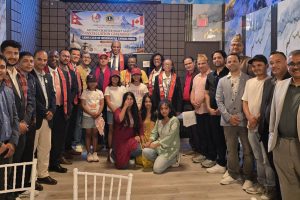
Lions Club of Mississauga Canada Nepal’s Charter Night was a grand success (with photo feature)
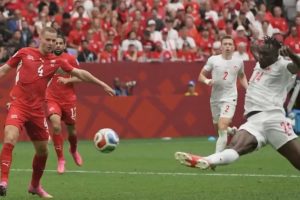
FIFA Football: Which group matches will be played when? Canada vs South Africa exciting match today
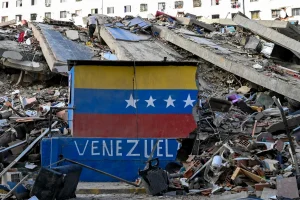
Death toll from Venezuela earthquake rises, 1,430 confirmed dead
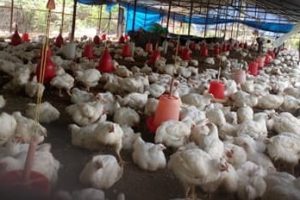
Bird flu on the rise in Kathmandu, infection confirmed at 82 locations
FIFA World Cup 2026: Netherlands held to a draw by Japan after failing to defend two-goal lead

Blood donation program organized by Lions Club of Mississauga Canada Nepal completed